Payment Innovations Reshaping Loyalty Programs in Mobile Poker and Slot Environments
Ben Schulz · Aug 23, 2026
Payment Innovations Reshaping Loyalty Programs in Mobile Poker and Slot Environments
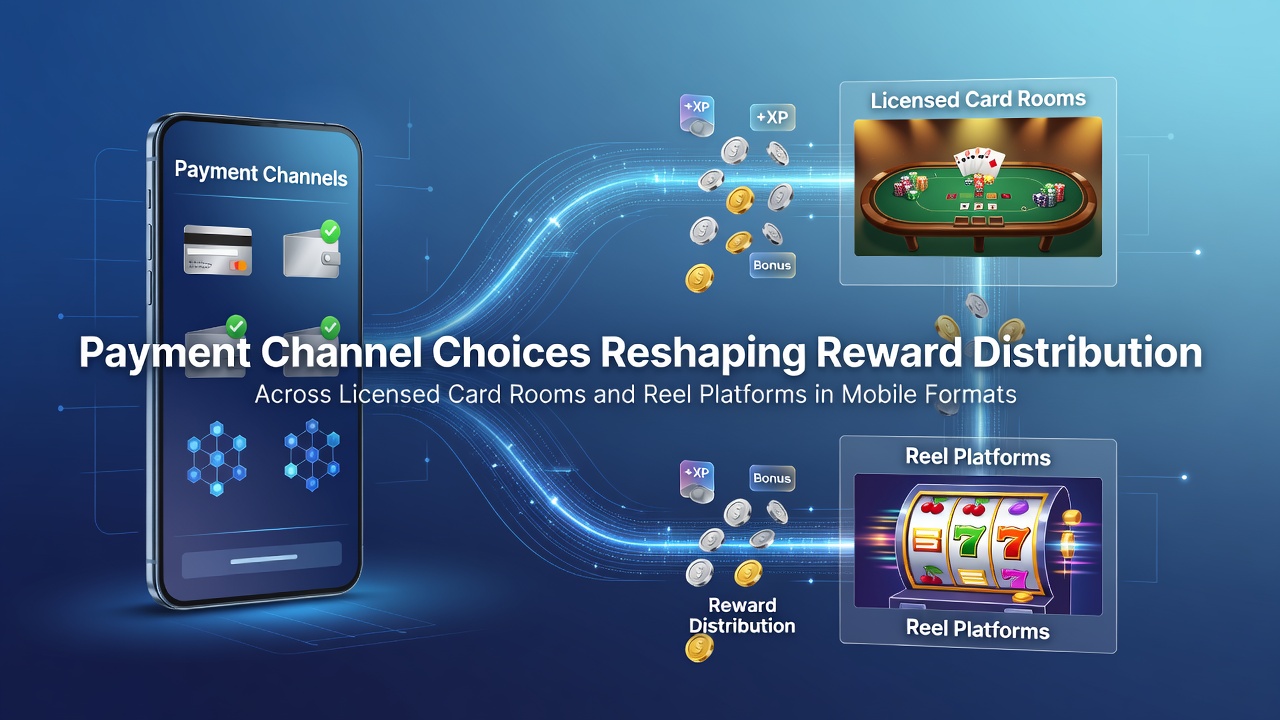
Payment channel selections have begun altering how rewards flow through licensed card rooms and reel platforms operating in mobile formats, with operators adjusting bonus structures and loyalty mechanics to match transaction speeds and verification processes. Data from regulatory filings across multiple jurisdictions indicate that instant settlement options such as e-wallets and digital bank transfers enable quicker crediting of loyalty points and cashback compared with traditional card or wire methods, while slower channels often carry higher minimum thresholds before rewards activate.
Current Landscape of Mobile Payment Options
Operators in licensed markets track payment preferences closely because each channel carries distinct processing times, fee structures, and compliance requirements that directly influence reward eligibility. In August 2026, several North American and Australian platforms reported increased adoption of contactless mobile wallets, with transaction volumes rising steadily since the start of the year. These shifts coincide with updated rules from bodies like the Nevada Gaming Control Board that emphasize real-time monitoring of fund movements, allowing operators to release promotional credits almost immediately after a qualifying deposit clears.
Card rooms running mobile poker applications face particular constraints because tournament buy-ins and cash-game top-ups must settle before play begins. Faster channels reduce the interval between deposit and reward distribution, which in turn lets platforms offer tiered loyalty multipliers tied to payment speed rather than deposit size alone. Reel platforms, by contrast, apply similar logic to progressive jackpot contributions and free-spin allocations, tying bonus spins to the moment funds become available rather than to a fixed schedule.
Effects on Licensed Card Rooms
Licensed card rooms have introduced payment-specific reward tiers that reward users who select channels with lower chargeback risk and quicker reconciliation. Research compiled by the American Gaming Association shows that platforms using instant-settlement methods recorded a 14 percent rise in repeat tournament entries during the first half of 2026, largely attributed to loyalty points appearing in player accounts within minutes rather than hours. Observers note that slower bank-transfer deposits still qualify for base rewards, yet they accumulate points at reduced rates until clearance completes, creating an incentive structure that favors mobile-native payment rails.
Those who manage poker networks report that rake-back percentages now vary by channel, with digital wallets receiving the highest return rates because settlement certainty allows operators to forecast liability more accurately. This adjustment has prompted some card rooms to publish channel-specific payout tables updated monthly, ensuring players understand how their chosen method affects long-term reward accumulation.
Reel Platform Adjustments
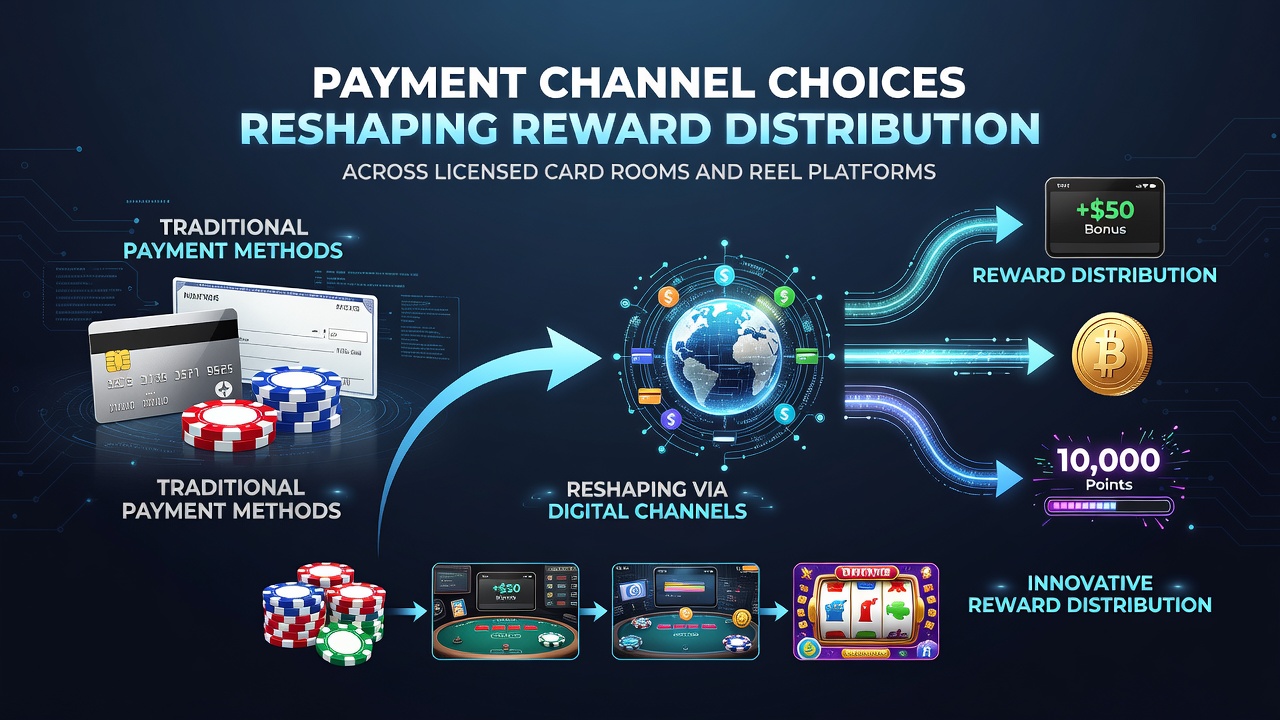
Reel platforms running mobile slot titles have aligned reward mechanics with the same payment-channel logic. Free-spin bundles and cashback percentages now scale according to the verification speed of each deposit method, with studies from the Australian Gambling Research Centre indicating that instant channels trigger bonus releases up to three times faster than legacy card processing. This timing difference matters because slot players often chase time-limited promotions, and platforms that credit rewards immediately see higher engagement rates during those windows.
Progressive jackpot pools also reflect these payment preferences, as contributions from faster-settling channels receive priority weighting in some systems, though operators maintain that base contribution rates remain uniform across all methods. The result is a reward ecosystem where players who consistently use mobile-optimized wallets reach higher loyalty tiers sooner, while those relying on traditional methods accumulate points more gradually but still access the same core features.
Mobile-Specific Considerations
Mobile formats introduce additional variables because session length and device storage affect how reward notifications and balance updates display. Platforms have begun embedding payment-channel selectors directly inside game lobbies, allowing users to switch methods mid-session without exiting the application. Data collected through these interfaces reveal that users who switch to faster channels mid-play receive incremental loyalty bonuses, a tactic designed to retain engagement during peak hours.
Geolocation requirements tied to licensing further complicate reward timing, since some channels require additional verification steps when players cross regulatory boundaries. Operators address this by displaying estimated reward credit times alongside each payment option, giving players clear expectations before they commit funds. Such transparency has reduced support queries related to delayed bonuses, according to internal metrics shared by multiple platform operators.
Regulatory and Industry Context
Regulatory frameworks outside the United Kingdom continue to shape how these payment-driven reward systems evolve. Canadian provincial regulators, for instance, require operators to maintain separate ledgers for each payment channel to ensure reward liabilities remain fully funded regardless of transaction velocity. Industry reports from the Canadian Gaming Association highlight that platforms complying with these rules have experienced fewer compliance incidents while still expanding mobile reward offerings.
Academic work published by researchers at the University of Nevada, Reno, examines how payment-channel segmentation influences player behavior across both poker and slot verticals, finding measurable differences in session duration when rewards appear instantly versus after a delay. These findings reinforce the operational decisions already underway at licensed sites, where reward algorithms now factor in channel metadata alongside deposit amount and play history.
Conclusion
Payment channel choices continue to influence reward distribution mechanics across licensed mobile card rooms and reel platforms, with operators refining eligibility rules and payout speeds to match transaction characteristics. The patterns observed through mid-2026 indicate that faster-settling methods receive preferential reward treatment in many systems, while slower channels retain access to base programs. As regulatory environments and technology standards evolve, the alignment between payment velocity and reward timing is expected to remain a central feature of mobile gaming operations.